

GLP-1 medications have changed the conversation around weight loss.
And as more of our patients experience significant changes in their weight and overall health, we're also having a new conversation at West:
Why does my face suddenly look different?
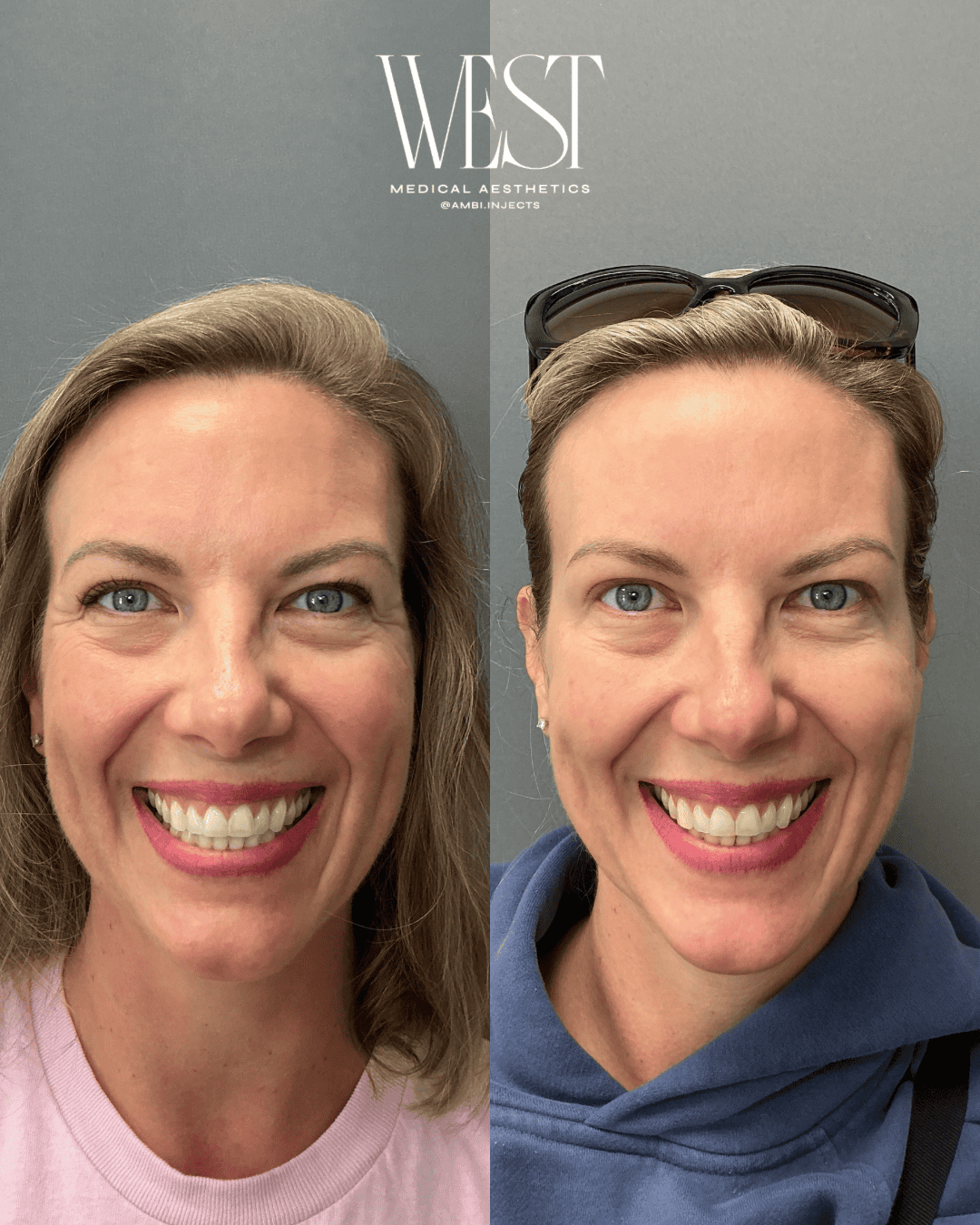
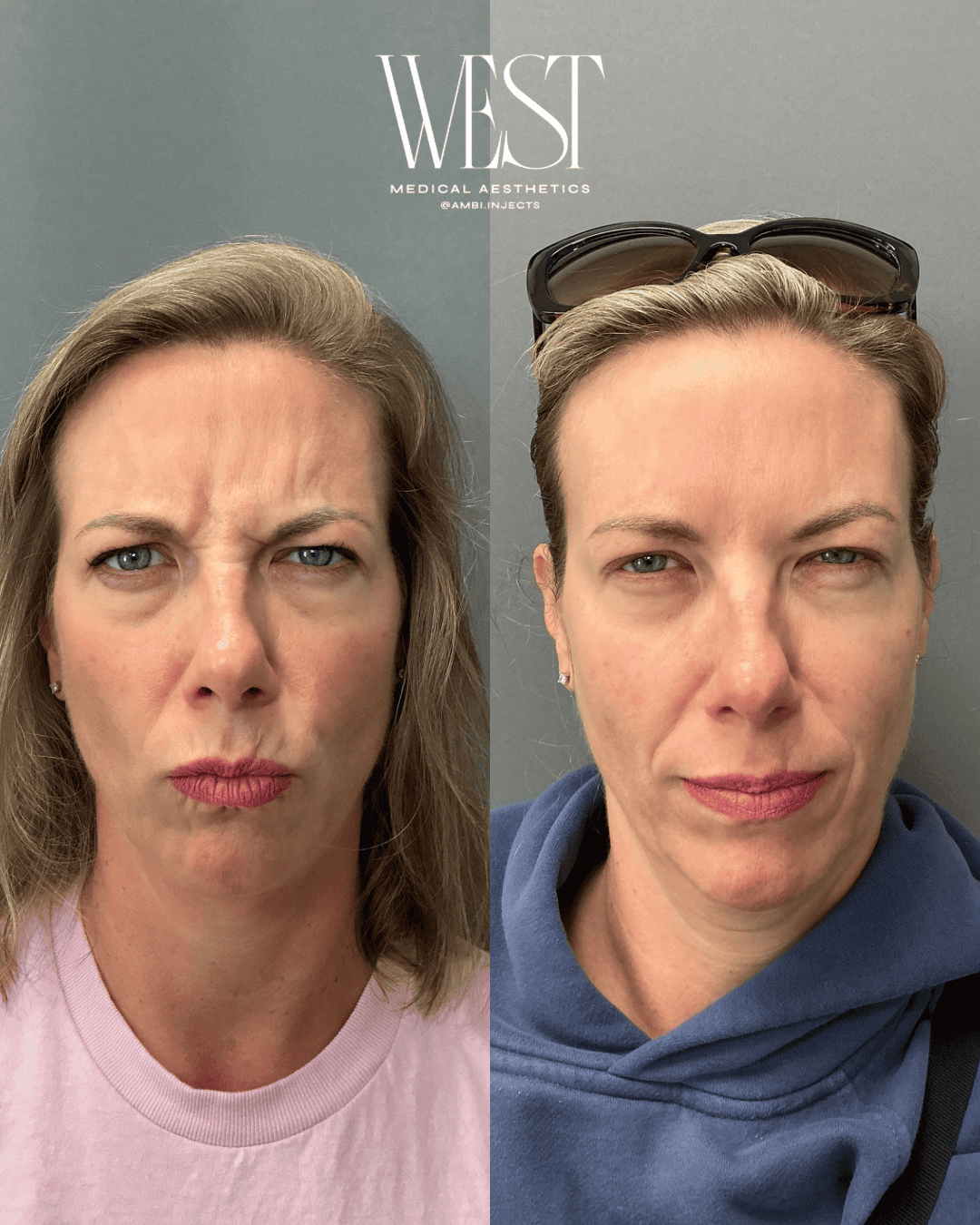
You may notice your cheeks look less full. Your skin may feel looser. Areas that didn't bother you before may suddenly appear hollow, and lines or folds can become more noticeable.
Online, you've probably heard this referred to as "Ozempic face."
We don't really love that term.
What you're seeing isn't necessarily an "Ozempic" problem at all. It's often the result of significant or rapid weight loss and the changes that happen to facial fat, skin, and underlying support as your body changes. Current research supports that distinction: facial hollowing and laxity associated with GLP-1 use appear to be largely related to weight loss itself rather than a direct toxic effect of the medication.
And if you're happy with the changes happening in your body but feel like your face hasn't quite caught up, there are ways we can help.
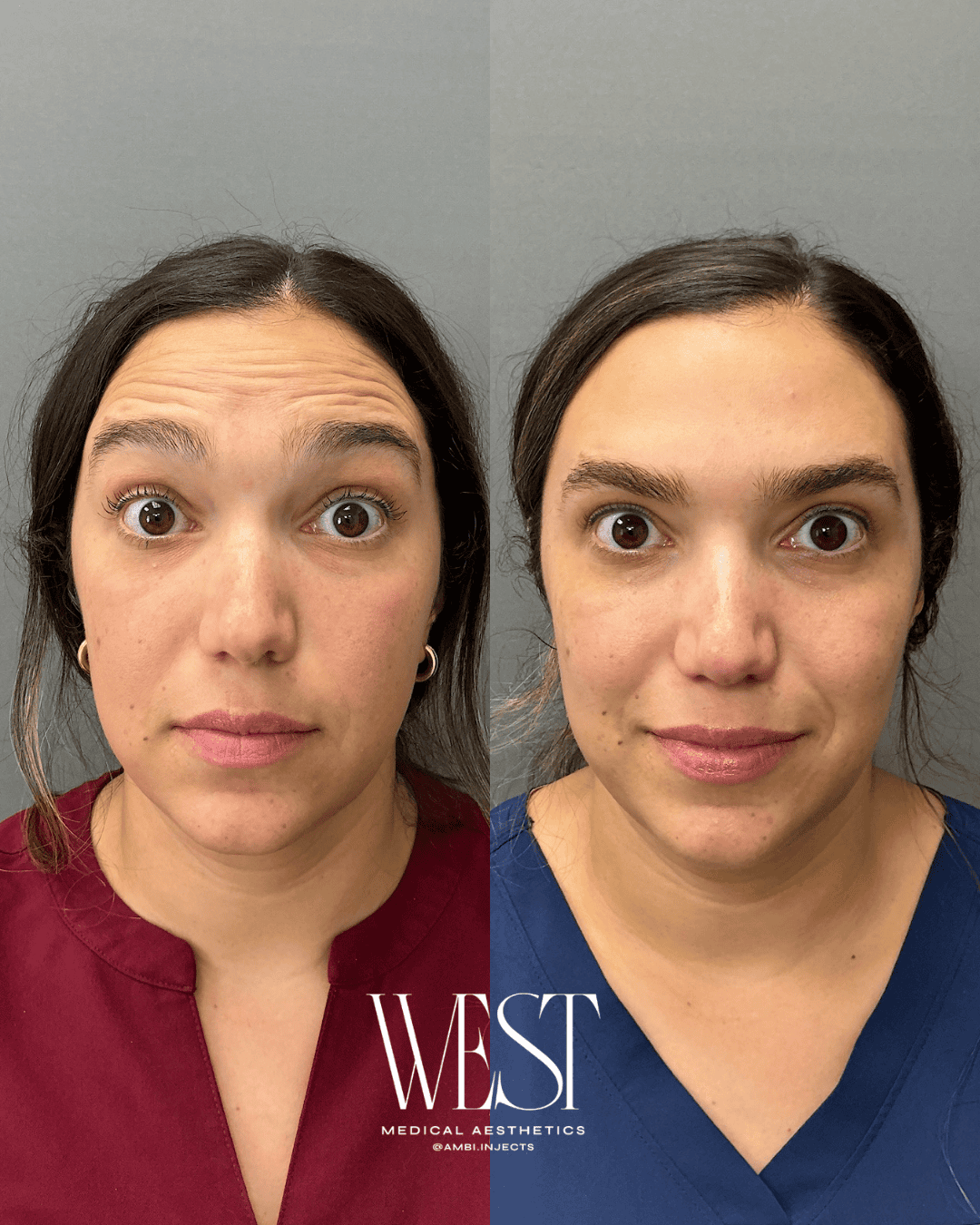
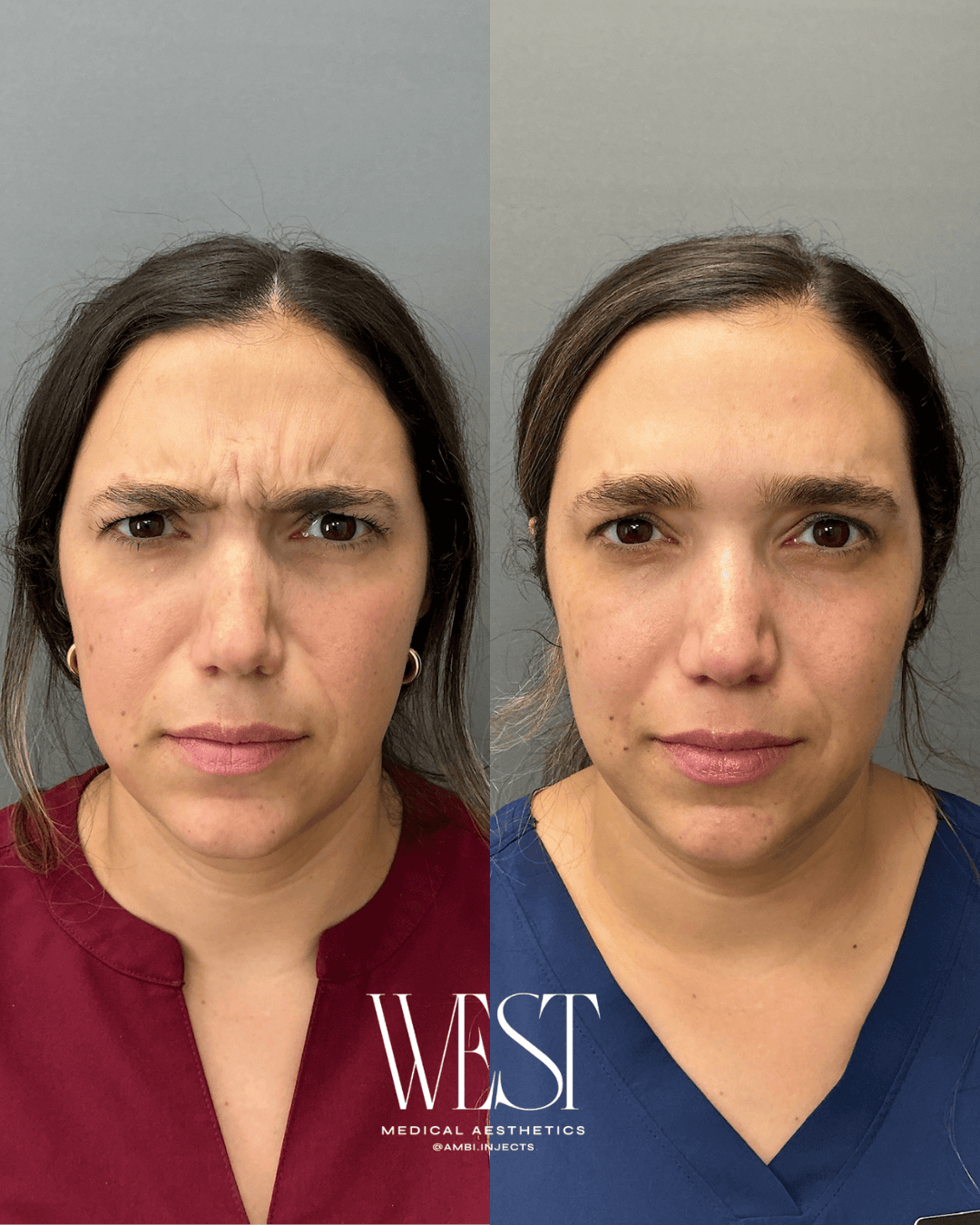
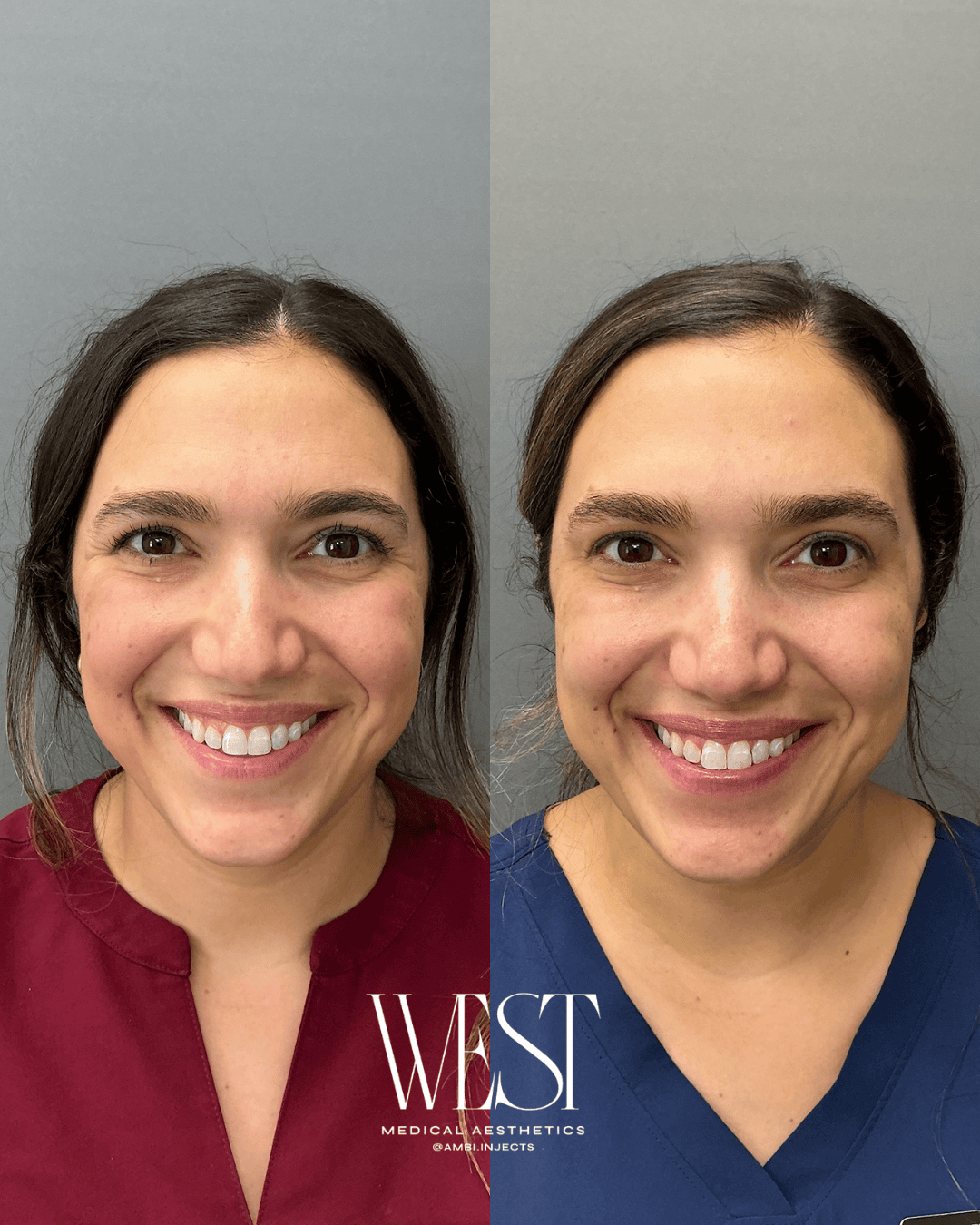
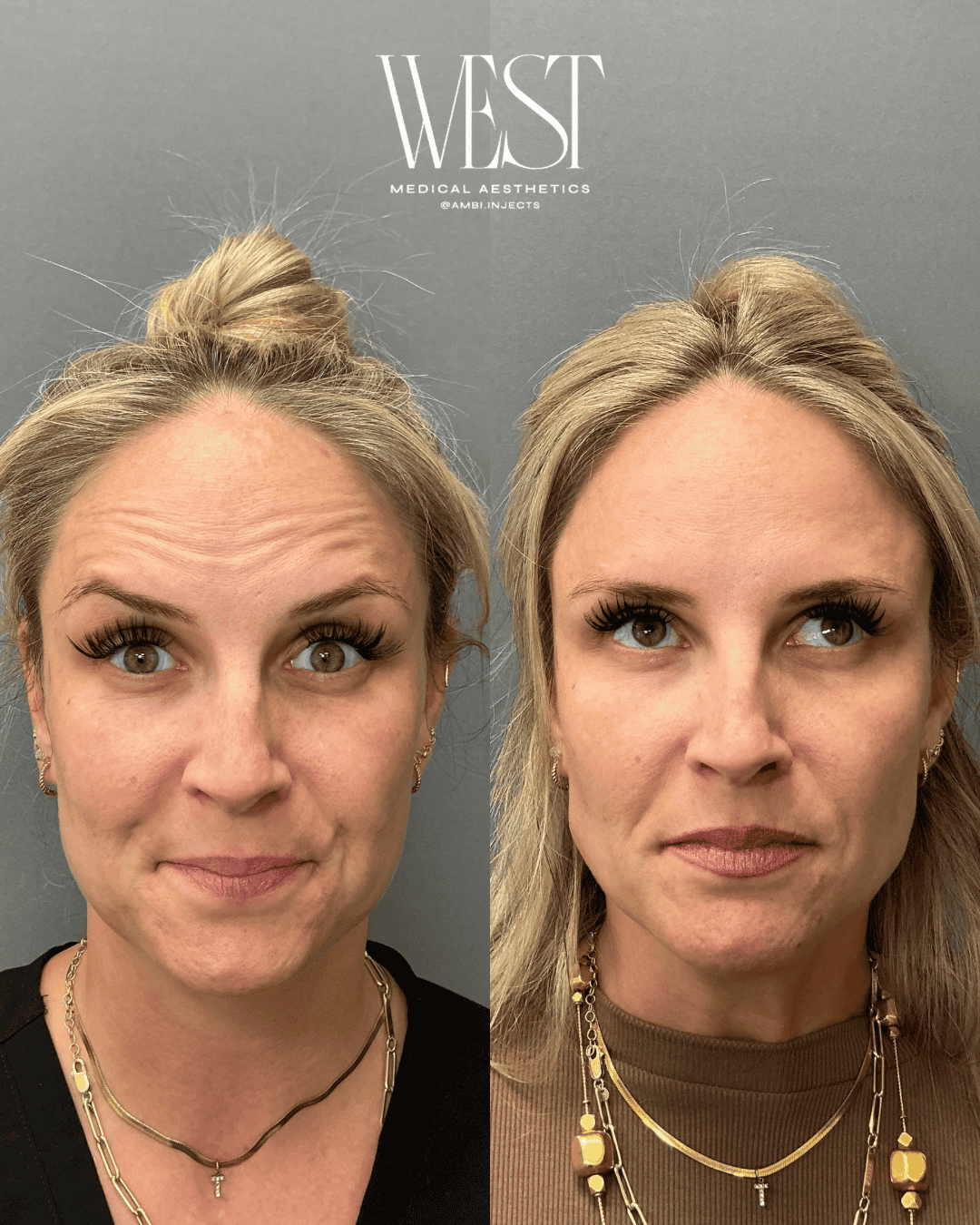
What Are GLP-1 Medications?
GLP-1 receptor agonists are medications used for conditions including type 2 diabetes and weight management. You may recognize names such as semaglutide and tirzepatide.
For many people, these medications can result in substantial weight loss.
But when our bodies lose weight, we don't get to choose exactly where that volume comes from.
The face can change too.
Emerging research around GLP-1-associated weight loss has identified aesthetic changes including facial volume loss, increased skin laxity, and changes in facial contour.
That's where aesthetics enters the conversation.
Why Can Your Face Look Different After Weight Loss?
Your face isn't supported by skin alone.
There are multiple layers involved in the shape and structure of your face, including skin, fat compartments, connective tissue, muscle, and bone.
When facial fat decreases significantly, some of that underlying support changes.
You might begin noticing:
Hollowing through the cheeks
More noticeable temples
Less fullness in the midface
Deeper-looking folds around the mouth
Increased skin laxity
Changes along the jawline
A generally more tired or aged appearance
And we now have research actually measuring this.
One 2025 study evaluating patients taking GLP-1 agonists found an association between weight loss and loss of superficial midfacial volume. Researchers estimated approximately 7% midfacial volume loss for every 10 kilograms of total weight lost in their study population.
That doesn't mean everyone taking a GLP-1 will experience the same changes.
It does help explain why some patients look in the mirror after significant weight loss and think:
I feel great, but my face suddenly doesn't look like me.
It’s not just about volume.
This is an important distinction.
When someone comes to West after significant weight loss, our answer isn't automatically:
"Let's add filler."
Because what looks like a volume problem may actually involve several things at once.
There can be loss of facial fat and structural support. There may also be changes in skin laxity and overall skin quality.
Recent aesthetic literature describes GLP-1-associated facial changes as a multi-layer issue and suggests that individualized approaches may include both collagen-stimulating and volumizing treatments rather than simply replacing volume everywhere.
That's much more aligned with how we approach facial rejuvenation at West.
We want to understand what changed first.
Then we decide what actually needs to be treated.
Biostimulators & Advanced Injectables for Facial Volume Loss
For patients experiencing volume loss following significant weight loss, we may recommend treatments within our Biostimulators & Advanced Injectables category.
The goal isn't to recreate your face with injectables.
It's to strategically support what has changed while keeping you looking like yourself.
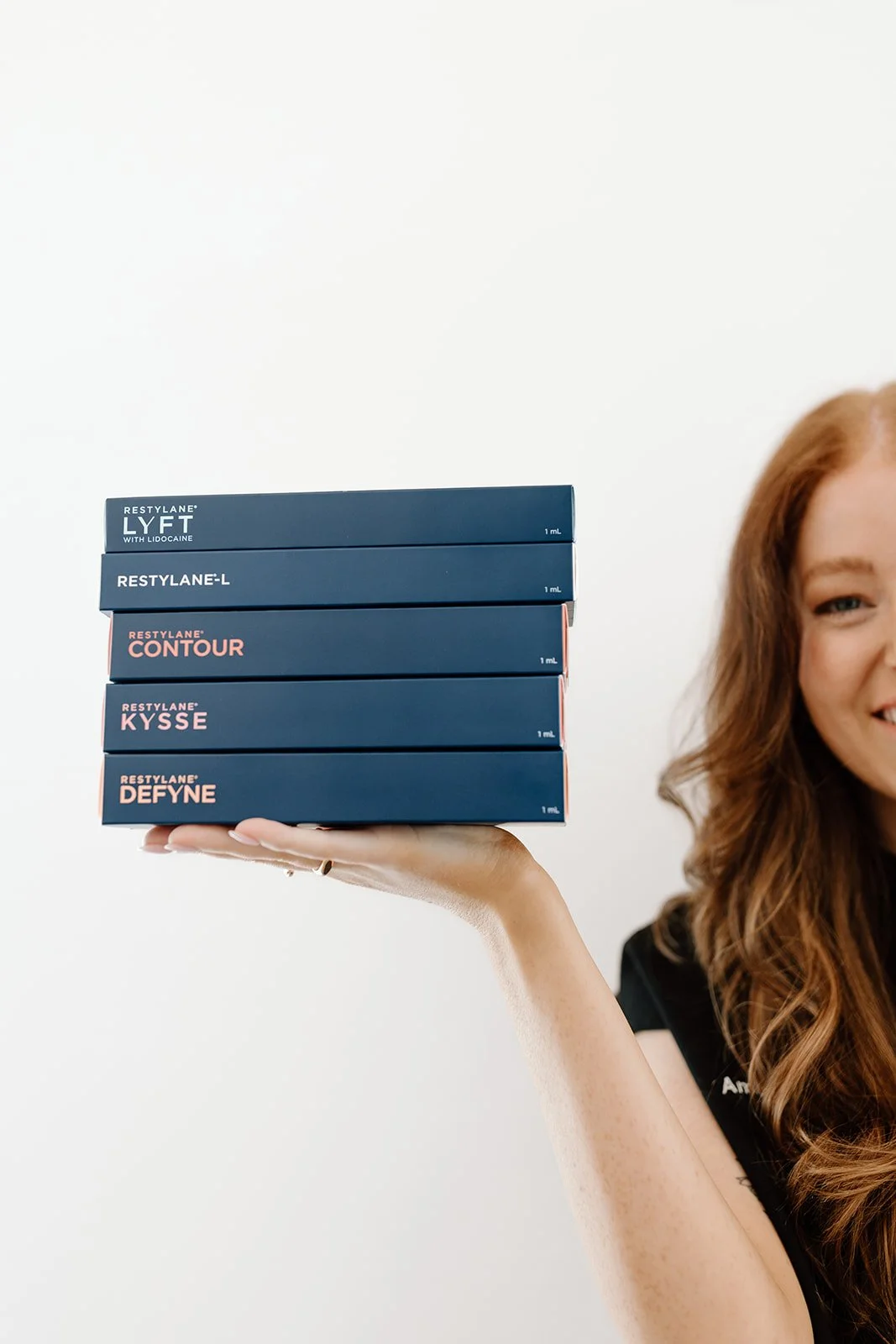
Depending on your anatomy, degree of volume loss, skin quality, and goals, your personalized plan may include treatments such as Sculptra® and dermal filler.
They aren't the same thing, and we don't use them interchangeably.
Sculptra & Collagen Stimulation
Sculptra is a poly-L-lactic acid injectable that works differently from traditional hyaluronic acid filler.
Rather than simply placing volume into an area for an immediate filling effect, Sculptra works by stimulating your body's natural collagen production over time. Its manufacturer describes it as helping restore skin structure and volume associated with collagen loss, and FDA-approved indications include correction of certain facial wrinkles.
That gradual process is one reason biostimulators can be particularly interesting when we're thinking about the bigger picture of facial aging and skin quality after weight loss.
We're not necessarily chasing one hollow area.
We're thinking about structure, collagen, skin quality, and how the entire face works together.
Dermal Filler
Dermal filler serves a different purpose.
Hyaluronic acid fillers can be strategically placed to restore or enhance volume in specific areas of the face.
After weight loss, that may mean evaluating areas where structural support or fullness has noticeably changed.
But our philosophy is restraint.
Significant facial volume loss doesn't automatically mean you need significant amounts of filler.
In fact, current literature discussing facial changes after medical weight loss supports an approach combining collagen stimulation with targeted filler placement based on the individual's anatomy and needs.
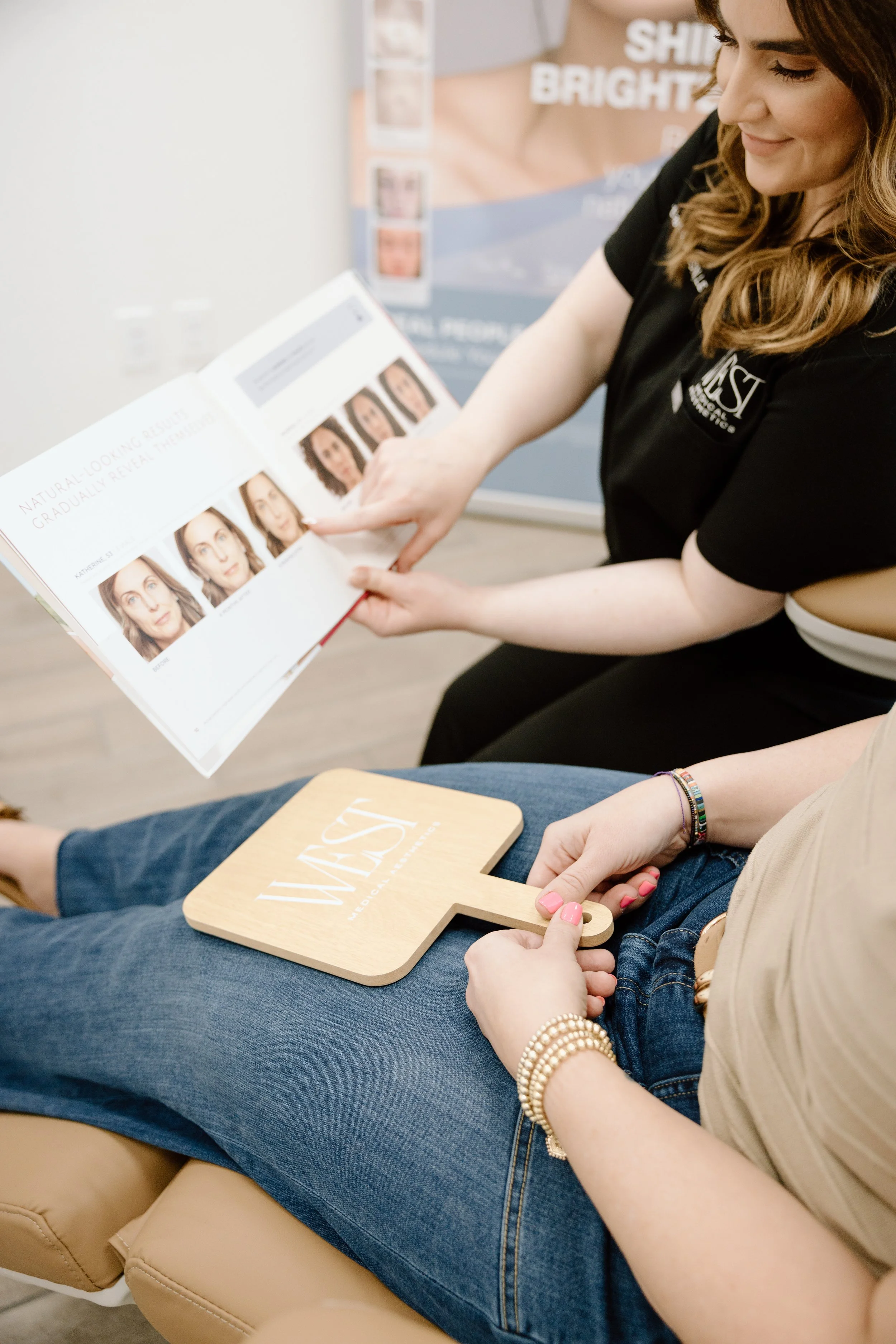
That's exactly why consultation and treatment planning matter.

What We Learned About GLP-1s at Sciton UP Xchange
This is a conversation we've become even more interested in following our recent trip to Sciton UP Xchange Aesthetic Leadership Development in Austin.
Our Founder, Emily, and Amberlie attended a presentation specifically focused on GLP-1 medications and their effects on the skin.
And they came home talking about it.
The presentation explored how medications including semaglutide and tirzepatide are changing the aesthetic concerns providers are seeing and discussed both positive and negative changes associated with the skin.
Emily and Amberlie both shared afterward that there were aspects of GLP-1-related skin changes they hadn't previously known, making it one of the standout educational sessions of the weekend.
That's one of the reasons continued education is such an important part of West.
This is a rapidly evolving area of aesthetics. Research is still developing, and we want our approach to evolve alongside it.
We aren't interested in jumping onto a trend because "Ozempic face" is getting attention online.
We're interested in understanding what's actually happening anatomically and how we can thoughtfully support our patients through those changes.
When Should You Treat Facial Volume Loss During a GLP-1 Weight Loss Journey?
There isn't one universal timeline.
If you're actively losing weight, your face may continue changing along with your body.
That's important for us to know.
Someone nearing a stable goal weight may need a very different treatment plan from someone who is still experiencing significant ongoing weight loss.
Your age, amount and rate of weight loss, baseline facial structure, skin quality, existing collagen, and individual goals can all influence what we recommend.
Current research also acknowledges that the optimal timing of aesthetic intervention during GLP-1-associated weight loss isn't completely settled, which is another reason we prefer an individualized approach rather than giving every patient the same timeline.
You don't have to wait until you're unhappy with your face to talk to us, either.
A consultation can simply help us establish where you are now and start thinking about how we want to support your skin and facial structure as your body continues changing.
What About Loose Skin?
Volume replacement isn't always the entire answer.
If significant weight loss has left you noticing both facial deflation and skin laxity, we may need to think beyond injectables alone.
That's where having multiple treatment modalities available becomes valuable.
Depending on your skin and goals, we may discuss a plan that addresses:
Volume + Structure
Biostimulators and advanced injectables
Skin Quality + Collagen
Treatments designed to support collagen renewal and improve overall skin quality
Pigment + Tone
Laser, light, or medical-grade skincare when appropriate
The important part is that we aren't treating each concern in isolation.
We're looking at the whole face.
Will Treating Volume Loss Make Me Look Overfilled?
This is probably one of the biggest concerns we hear around injectables.
And we understand it.
Our goal isn't to make your face look exactly like it did before you lost weight, and it certainly isn't to replace every bit of volume you've lost.
We want to identify where restoring support or stimulating collagen could create the most meaningful improvement.
Sometimes that means Sculptra.
Sometimes that means targeted dermal filler.
Sometimes it means combining modalities over time.
And sometimes it means doing less than you thought you needed.
The goal is for people to notice that you look refreshed, not to notice what you had done.
A New Approach to Your Changing Face
If GLP-1 medications have helped you make meaningful changes to your health, we want your aesthetic treatment plan to support that journey, not make you feel self-conscious about it.
Facial volume loss doesn't mean something has gone wrong.
Your body changed.
Your face changed with it.
And now we can look at where you are today and decide what, if anything, would help you feel more like yourself again.
At West, our approach to Biostimulators & Advanced Injectables is built around facial anatomy, natural-looking results, long-term skin health, and individualized treatment planning.
Because we're not interested in simply filling what's missing.
We're interested in understanding what changed and creating a plan that makes sense for you now.
Concerned About Facial Volume Loss After Weight Loss?
If you're taking a GLP-1 medication or have experienced significant weight loss and are noticing hollowing, skin laxity, or changes in your facial structure, schedule a consultation with our team at West Medical Aesthetics.
We'll evaluate your facial anatomy, skin quality, current stage of weight loss, and goals before recommending a personalized approach.